Taking toddlers to different places by plane requires a lot of attention because they sometimes get ill during and after flights. At that age, toddlers’ immune system is still under development. Therefore, finding out why your toddler falls ill will help you take the necessary measures in order to prevent any illnesses.
The main reason for getting an illness is the presence of bacteria. Airplanes are closed rooms where all passengers breathe the same air. Also, toddlers usually touch various objects including tray tables, seat handles, and screens and put everything into their mouth.
In addition to infections, children may have ear discomfort and even infections since they are not able to cope with air pressure inside planes. The changing pressure may cause ear pain and other unpleasant symptoms for kids.
Moreover, cabin air is dry and leads to irritation of noses and throats of toddlers. They may experience dehydration and fatigue due to disruption of regular sleeping habits.
Why Toddlers Become Ill When Travelling by Plane
Toddlers usually get ill while travelling in airplanes due to the fact that their immune system is not well-developed. As a result, they find it hard to resist any infections. There are different reasons why toddlers become ill when travelling in an airplane.
First of all, it should be noted that the main reason why toddlers fall ill when travelling in airplanes is due to their contact with infectious microorganisms. Airplanes create the perfect environment for the growth and development of various pathogens, and toddlers usually touch various parts of the airplane seat, such as trays, armrests, and other elements, and subsequently put their hands into their mouths.
Another frequent problem faced by toddlers in airplanes is related to the pressure changes during take-off and landing since toddlers’ ears are usually too small to provide equalized pressure. In addition, dry air is another factor contributing to children’s illness. Since airplanes have very low humidity, toddlers’ noses and throats usually get irritated.
Steps for Preventing Toddlers from Illness During Flight
Preventive measures are essential when taking a toddler on a trip to avoid illnesses due to their underdeveloped immune system. Hygiene and comfortable traveling conditions will significantly increase the chances of a healthy flight experience.
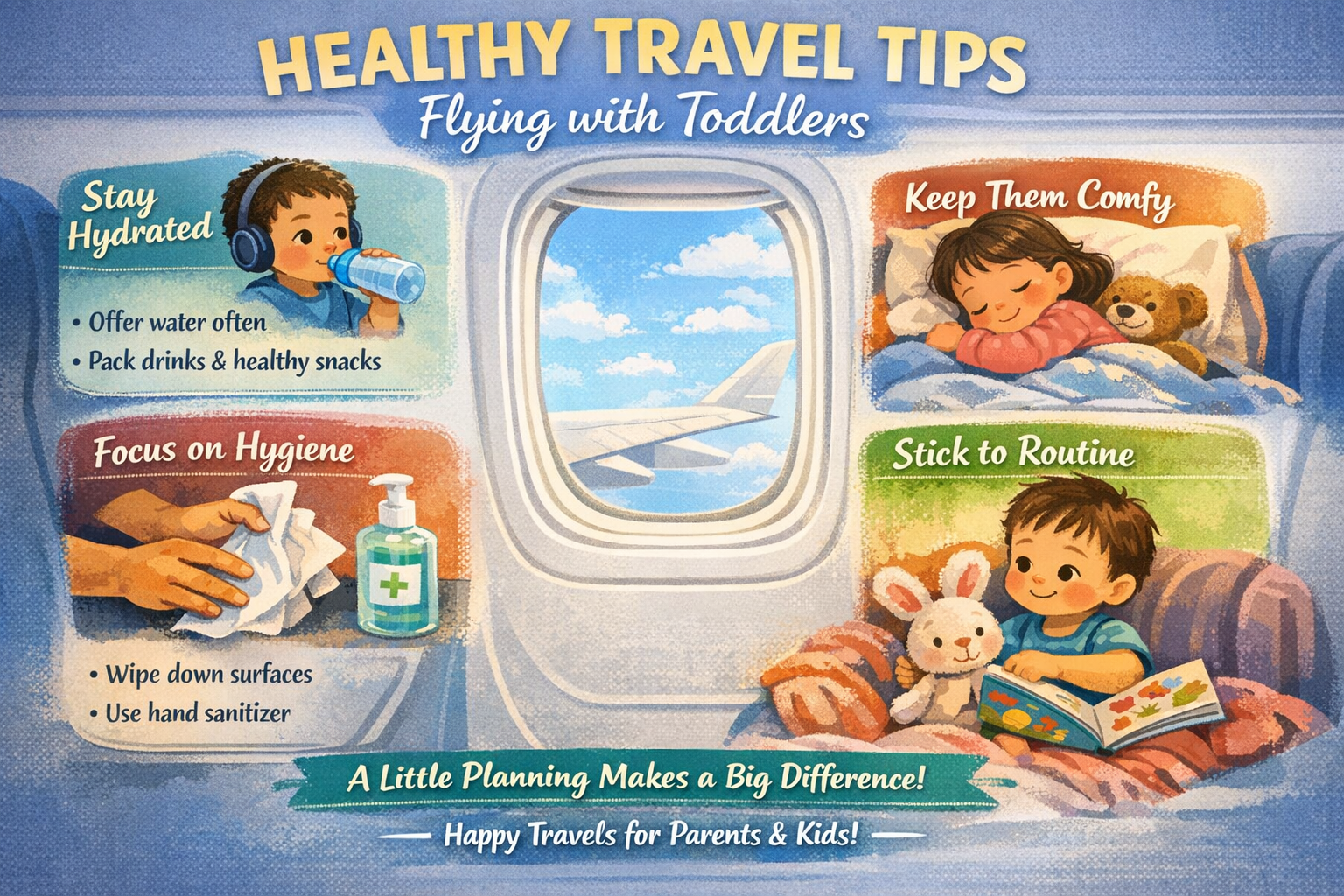
First of all, keep high levels of hygiene. Sanitize your toddler’s environment by wiping tray tables, arm rests, and buckle belts with sanitizing wipes. Hand sanitizer should be at your fingertips, and hand washing should be encouraged frequently, especially before eating.
Hydration is key. Provide enough fluids in the form of water, milk, or juice to avoid dehydration due to the low level of moisture in aircraft cabins. This measure will ensure your child’s comfort and immunity.
The problem of earache can be solved with proper ear pressure equalization techniques. Feeding or drinking a beverage while flying may help the ear pressure adjustment process.
Before taking a flight, make sure that your toddler sleeps regularly. Take their usual sleeping items aboard to facilitate a restful sleep.
Finally, dress up your child in light and cozy clothes to protect them from any temperature changes.
Warning Signs that Your Toddler Might Get Sick Soon
Being able to recognize signs that your toddler might get sick soon is essential to helping him recover quickly and avoid aggravation of the condition. The thing is that toddlers are not usually aware of their physical state and, therefore, cannot communicate any health-related problems. For this reason, it is up to parents to look for the signs that their toddler feels ill.
If your child starts being especially fussy or irritable compared to previous days, he might have some health problems. Frequent crying and discomfort could mean the same. Another sign of the toddler getting sick might be associated with his sleep schedule; thus, excessive drowsiness as well as insomnia can be early warning signs.
Decreased appetite is also common when a child gets sick. Refusing to eat and drink anything might be an indicator of an illness. In addition, it is recommended to pay attention to runny nose, coughing, sneezing, and even mild fever as these might indicate the development of a viral infection, such as a cold.
Moreover, ear pressure problems might become apparent when your toddler starts touching his ears. Other signs include vomiting, diarrhea, and extreme tiredness.
More Tips to Make Toddler Travel Stres-Free
Toddler travel can be nerve-wracking; however, with some additional effort, it can turn out to be much easier and fun. A few helpful tips can contribute to ensuring the comfort and happiness of both the toddler and the caregiver on a trip.
The best thing to do is pack a good carry-on with all the necessities: snacks, drinks, diaper bags, extra clothes, medication, etc. This way, you will not waste time trying to find what you need.
Carry along a few favorite toys or books of your toddler; having familiar things will help the little one remain calmer and relaxed. Downloaded cartoons or some other interesting applications will surely come in handy as well, especially when traveling for a long distance.
Choose flights according to your toddler’s schedule; this way, the baby will be able to sleep and thus have enough rest. Moreover, arriving earlier than expected will help you avoid last-minute rush and stress.
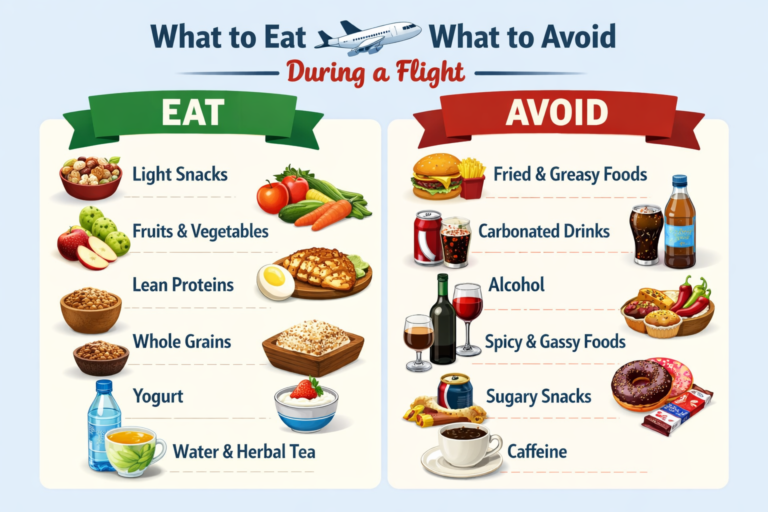
Snacks are very important since they help to avoid any tantrums associated with feeling hungry. Bring some healthy and easy-to-digest products.
Conclusion
While it might seem difficult at first, taking care of a toddler while flying will not be such a daunting task as long as you know what to do in order to keep your child healthy and comfortable. Knowing about the most common health problems associated with flying, as well as learning how to prevent them and what to do should some problem arise, will go a long way in ensuring your toddler stays in good health during the trip.
Paying particular attention to hygiene and nutrition, making sure that the toddler rests properly, and following a well-thought out schedule of activities will help you avoid problems that are associated with air travel. At the same time, paying attention to early symptoms of any kind of health problem is crucial when traveling with a toddler.
About the Author