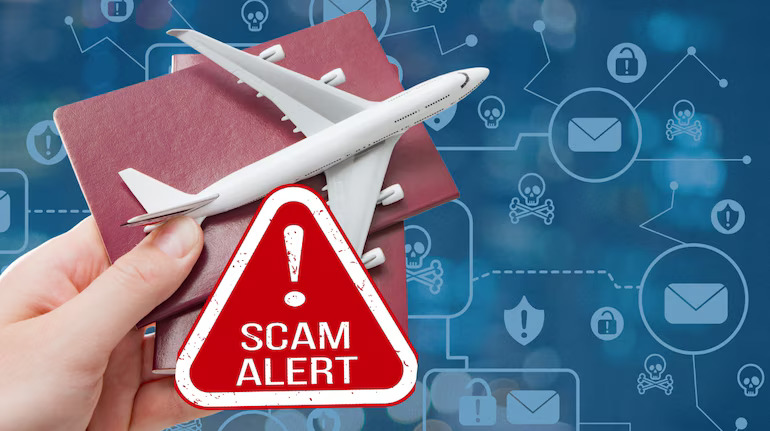
Traveling abroad is an exciting experience, but popular tourist destinations can also attract scammers looking to take advantage of visitors. While most locals are honest and welcoming, knowing the most common travel scams can help you avoid unnecessary stress and financial loss.
Whether you’re exploring Europe, Asia, the Middle East, or the Americas, these practical tips will help you stay safe and enjoy your trip with confidence.
1. Research Common Scams Before You Travel
Every country has its own common tourist scams. Before your trip, spend a few minutes researching the most frequently reported scams at your destination.
For example:
- Fake taxi drivers
- Currency exchange scams
- Overpriced souvenirs
- Fake charity collectors
- Street distraction thefts
Knowing what to expect is your first line of defense.
2. Use Official Transportation
Avoid accepting rides from strangers outside airports, train stations, or tourist attractions.
Instead:
- Use licensed taxis.
- Book rides through trusted ride-hailing apps.
- Use official airport transportation services.
- Verify the driver’s details before getting in.
3. Be Careful With “Free” Offers
Scammers often approach tourists with offers such as:
- Free gifts
- Friendship bracelets
- Flowers
- Local tours
- Photos with animals
These “free” items usually come with demands for payment afterward.
If you didn’t ask for it, politely decline.
4. Protect Your Valuables
Pickpockets often target crowded places like:
- Metro stations
- Tourist attractions
- Festivals
- Markets
- Public transportation
Use:
- Anti-theft backpacks
- Crossbody bags
- Hidden money belts
- RFID-blocking wallets
Keep phones and wallets in front pockets whenever possible.
5. Avoid Public Wi-Fi for Banking
Free public Wi-Fi networks can expose your personal information.
If you need to access:
- Online banking
- Credit cards
- Passwords
- Travel documents
use:
- Mobile data
- A trusted VPN
- Personal hotspot
6. Watch Out for Fake Police Officers
Some scammers pretend to be police officers and ask tourists to show passports, wallets, or cash.
If someone claims to be law enforcement:
- Ask for official identification.
- Stay calm.
- Request to visit the nearest police station.
- Never hand over cash on the street.
7. Count Your Change Carefully
Currency scams remain common in busy tourist areas.
Always:
- Count your money before leaving.
- Double-check receipts.
- Know the local currency.
- Use ATMs attached to banks whenever possible.
8. Book Tours Through Trusted Companies
Cheap street offers may sound attractive but can result in:
- Fake tickets
- Poor-quality tours
- Hidden charges
- No service at all
Book through:
- Official attraction websites
- Reputable travel agencies
- Verified booking platforms
9. Don’t Display Expensive Items
Luxury watches, jewelry, cameras, and large amounts of cash can attract unwanted attention.
Try to:
- Dress modestly.
- Avoid flashing valuables.
- Keep expensive electronics stored when not in use.
10. Be Wary of ATM Assistance
Never allow strangers to “help” you at an ATM.
Protect yourself by:
- Covering your PIN.
- Checking for unusual card readers.
- Using ATMs inside banks or shopping malls.
- Cancelling the transaction if something feels suspicious.
11. Verify Restaurant Prices Before Ordering
Some restaurants near tourist attractions don’t display prices clearly.
Before ordering:
- Check the menu carefully.
- Ask about service charges.
- Confirm prices for seafood or market-priced items.
- Read recent customer reviews.
12. Keep Digital Copies of Important Documents
Store secure digital copies of:
- Passport
- Visa
- Travel insurance
- Flight tickets
- Hotel bookings
Save them in encrypted cloud storage or a secure travel app.
13. Avoid Sharing Too Much Information
Be cautious when discussing:
- Hotel details
- Travel itinerary
- Room numbers
- Personal finances
with strangers you meet during your trip.
14. Trust Your Instincts
If a situation feels rushed, confusing, or too good to be true, it probably is.
Walk away politely if:
- Someone pressures you.
- Prices suddenly change.
- You feel uncomfortable.
- You cannot verify the offer.
15. Purchase Travel Insurance
Travel insurance won’t prevent scams, but it can reduce financial losses caused by:
- Theft
- Lost luggage
- Identity fraud
- Emergency expenses
- Trip interruptions
Choose a policy that matches your destination and travel plans.
Most Common Tourist Scams Around the World
| Scam | Where It Happens | How to Avoid It |
|---|---|---|
| Fake Taxi | Airports & Train Stations | Use official taxi services or ride-hailing apps |
| Pickpocketing | Tourist attractions | Keep valuables secure and stay alert |
| Currency Exchange Scam | Exchange counters | Use banks or authorized exchange services |
| Bracelet or Gift Scam | Tourist landmarks | Politely refuse unsolicited items |
| Fake Police | Busy city centers | Ask for ID and go to a police station if necessary |
| ATM Skimming | Public ATMs | Use bank-operated ATMs and inspect the machine |
| Restaurant Overcharging | Tourist hotspots | Check menus and confirm prices before ordering |
Essential Travel Safety Checklist
Before you leave, make sure you:
- Research common scams at your destination.
- Share your itinerary with a trusted contact.
- Carry a backup payment method.
- Keep emergency contact numbers handy.
- Save copies of important travel documents.
- Enable two-factor authentication on your accounts.
- Download offline maps before arriving.
- Purchase comprehensive travel insurance.
Final Thoughts
Tourist scams can happen almost anywhere, but a little preparation goes a long way. Staying alert, using trusted transportation and booking services, protecting your valuables, and avoiding deals that seem too good to be true can significantly reduce your risk.
Travel is meant to be enjoyable, and with the right precautions, you can focus on exploring new destinations instead of worrying about scams. Stay informed, trust your instincts, and enjoy your journey with confidence.
About the Author