1. Structured Learning (Not Just Games)
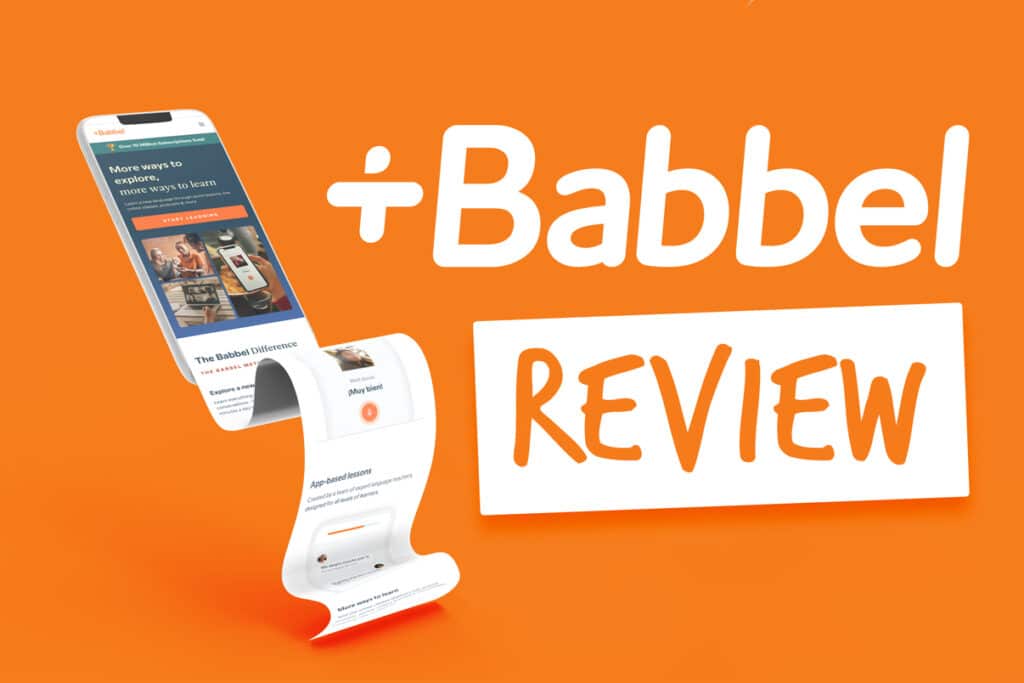
Babbel uses step-by-step lessons that build grammar, vocabulary, and conversation skills together.
- Lessons are 10–15 minutes long
- Focus on real-world conversations
- Includes grammar explanations inside lessons
Compared to gamified apps, Babbel is more like a professional learning system rather than a game.
2. Focus on Real-Life Conversations
Babbel teaches practical situations like:
- Ordering food
- Asking directions
- Travel conversations
- Workplace communication
Unlike some apps that use random or unrealistic sentences, Babbel focuses on useful everyday dialogue.
3. Better for Serious Learners
Studies and comparisons show:
- Babbel is better for grammar understanding
- Stronger speaking confidence building
- More effective for long-term fluency
Duolingo = good for basics
Babbel = better for actual speaking skills
4. Smart Review System
Babbel uses a spaced repetition system:
- Helps you remember words longer
- Automatically reviews weak areas
- Improves retention over time
5. Designed by Experts (Not AI Random Content)
Babbel courses are created by:
- Linguists
- Language teachers
- Education experts
This ensures:
- Accuracy
- Real-world context
- Cultural relevance
Want to start learning with Babbel?
Click here to explore: https://babbel.sjv.io/1rDKQ9
Features of Babbel
Key Features
- Speech recognition for pronunciation
- Interactive dialogues
- Grammar tips
- Offline learning
- Progress tracking
- Personalized lessons
Pricing (Is Babbel Worth It?)
Babbel is a paid platform, but pricing is reasonable:
- Starts around $6.95/month (annual plan)
- Lifetime plans available
Compared to other platforms, Babbel offers better value for structured learning.
Babbel vs Other Platforms
| Feature | Babbel | Duolingo | Rosetta Stone |
|---|---|---|---|
| Learning Style | Structured | Gamified | Immersive |
| Grammar Teaching | Strong | Weak | Limited |
| Real Conversations | Yes | Limited | Moderate |
| Free Version | No | Yes | No |
| Best For | Serious learners | Beginners | Immersion |
Babbel clearly stands out for practical fluency and structured learning.
Pros & Cons
Pros
- Real-life conversation focus
- Structured lessons
- Expert-designed courses
- Short, easy lessons
- High-quality content
Cons
- No full free version
- Limited number of languages compared to competitors
- Requires consistency
Who Should Use Babbel?
Babbel is perfect for:
- Travelers
- Professionals
- Students
- Anyone serious about speaking a new language
Not ideal if you only want casual or free learning
Why Babbel is Growing Fast
Babbel’s success comes from:
- Focus on real results, not just engagement
- Practical learning approach
- Strong user retention (many renew subscriptions)
It’s built for people who actually want to learn a language, not just play with it
Final Verdict
If your goal is to actually speak and understand a language, Babbel is one of the best platforms available today.
✔ Better than gamified apps for serious learners
✔ Strong focus on real-life communication
✔ High-quality structured lessons
About the Author