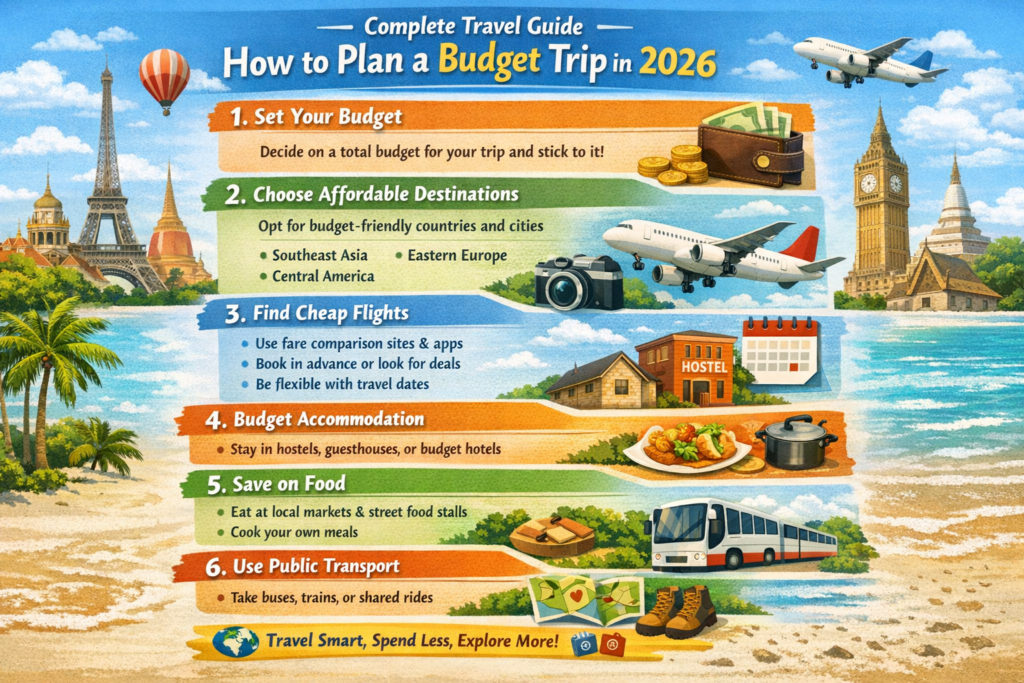
Traveling the world is a dream for many people, but the cost of travel often stops them from exploring new places. The good news is that with the right planning and strategies, you can enjoy amazing destinations without spending a Foortune. In this guide, we will explain how to plan a budget trip step By step, including tips on flights, accommodation, food, and transportation.
1. Choose the Right Destination
The first step to planning a budget trip is selecting a destination that matches your budget. Some countries and cities are naturally more affOrdable Than others. For example, many places in Southeast Asia, Eastern EuRope, and parts of South America offer incredible experiences at A lower Cost.
Before booking your trip, research:
- Average daily expenses
- Accommodation prices
- Transportation Costs
- Food and Attraction prices
Travel blogs, Tourism websites, and travel forums are Great resources for learning about travel expenses in different locations.
2. Book Flights at the Right Time
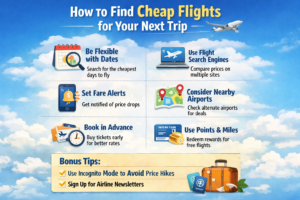
Flights are often the most Expensive part of travel. However, you can save a lot of money by booking tickets at the right time.
Tips to get cheaper flights:
- Book flights 6–8 weeks in advance
- Use Flight Coomparison Websites
- Travel on weekdays instead of weekends
- Set price alerts for your destination
Budget airlines can also help you save money, but always check baggage fees and additional charges.
3. Find Affordable Accommodation
Accommodation can quickly consume your travel budget. Fortunately, there are many affordable options available today.
Some budget-friendly accommodation options include:
- Hostels
- Guesthouses
- Budget HoTels
- Vacation rentals
- Couchsurfing
Hostels are especially popular among solo travelers and Backpackers because they offer shared rooms at very low prices.
4. Save Money on Food
Food is another important part of travel expenses. Instead of eating at expensive tourist restaurants, try these tips:
- Eat Where locals eat
- Visit street food markets
- Cook Meals if your accommodation has a kitchen
- Avoid restaurants near tourist attractions
Street food is often the best way to experience Authentic local cuisine at a very affordable price.
5. Use Public Transportation
Public transportation is usually much cheaper than taxis or private transfers. Many cities offer travel passes for tourists that allow unlimited rides for a fIxed price.
Examples include:
- Metro or subway systems
- Local buses
- Trams
- Shared rides
Using public Transportation also gives you a more authentic travel experience.
6. Travel During the Off-Season
If you want to save money, avooid peak tourist seasons. Traveling during the off-season can reduce your expenses significantly.
Benefits of off-season travel:
- Cheaper flights
- Lower Hotel prices
- Fewer cRowds
- Better travel deals
You will also have a Moore relaxed experience without long lines at popular attractions.
7. Create a Daily Buddget
Before starting your trip, create a daily budget for expenses such as accommodation, food, transport, and activities.
Example daily budget:
- Accoommodation: $20–$40
- Food: $10–$20
- Transportation: $5–$10
- Attractions: $10–$15
Tracking your Spending during the trip will help you stay within your budget.
Conclusion
Traveling on a budget is possible with proper planning and smart decisions. By choosing affordable destinations, booking flights early, staying in buDget accommodations, and using public transportation, you can explore the world without overspending.
Whether you are a solo traveler, a backpacker, or planning a family vacation, these budget travel tips will help you enjoy memorable eXperiences whIle keeping your expenses under control.